Does Perfume Expire and How Should You Store It

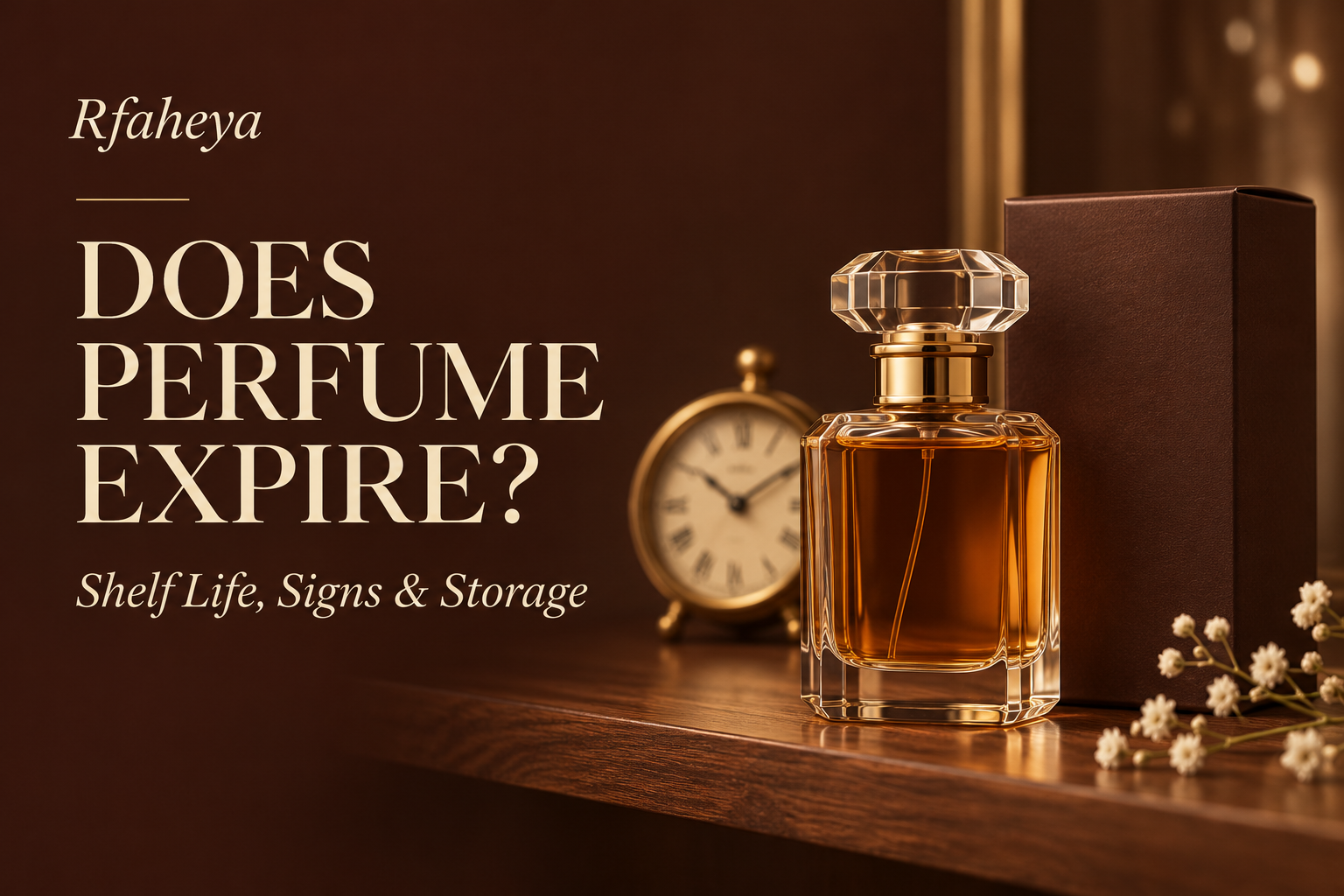
Does perfume expire? Yes, a fragrance can deteriorate over time, but there is no single shelf life that applies to every bottle. Its formula, packaging, storage history and the manufacturer’s instructions all matter. Start with the information supplied with your perfume rather than treating a general number of years as a guarantee.
Perhaps you have found a forgotten bottle in a drawer, noticed a different colour, or wondered whether to buy a larger size. This guide explains what to check, which changes deserve attention, and how to make a sensible choice when shopping for your next fragrance at Rfaheya.
What this guide covers
- Perfume shelf life and wear time
- Dates and symbols on the packaging
- Changes in scent, colour and bottle condition
- Practical storage at home and while travelling
- Choosing a bottle size and exploring Rfaheya perfumes
- Frequently asked questions
Perfume shelf life is different from wear time
Shelf life concerns the condition of the fragrance while it is stored. Wear time describes how long you notice its scent after applying it. These are different questions, even though both are often expressed as “how long does perfume last?”
A perfume that becomes less noticeable during your day is not automatically expired. Equally, a bottle’s strong smell does not override an expiry date printed by its manufacturer. If your question concerns application rather than storage, see our separate guide to how to use perfume.
How long does perfume last after opening
Treat published ranges as general guidance, not a deadline for every fragrance. Molton Brown gives around three to five years after opening for many fragrances, while Diptyque explains that its perfumes can keep for years under suitable conditions. Neither statement establishes a shelf life for a different brand’s bottle.
Follow the date or period-after-opening guidance supplied for your own product. If you cannot find it, ask the brand or seller instead of calculating an expiry date from an online average. Record when you first opened the bottle so that the manufacturer’s instructions are easier to follow.
Read the bottle and carton together
Keep the outer carton until you have checked its information. Instructions may appear on the bottle, box or accompanying label. A purchase receipt is useful for your records, but the purchase date is not necessarily the production date or the first opening date.
Look for an expiry marking such as EXP, storage directions, and a period-after-opening symbol if one is provided. An open-jar symbol followed by 12M means twelve months after first opening; it does not mean twelve months after purchase. This example explains the symbol and is not a shelf-life recommendation for all perfumes.
A batch or lot code helps identify a production batch. Do not assume that an unfamiliar sequence of letters and numbers is an expiry date. Send a clear photograph to the brand when you need help interpreting it. The product’s own guidance takes priority over a third-party decoder or a general blog article.
Changes worth checking before using an older bottle
An unfamiliar or unpleasant smell
A pronounced new smell that seems sour, metallic or otherwise unlike the fragrance you remember deserves attention. Set the bottle aside and ask the manufacturer for advice rather than repeatedly spraying it on your skin to investigate.
Consider the context too. Comparing two different perfumes, or judging a scent immediately after using another strongly scented product, is not the same as establishing that a particular bottle has deteriorated. Explain what changed and when you first noticed it if you contact the seller.
A difference in colour
Colour alone is not a reliable verdict. Diptyque notes that slight colour changes can occur without affecting the scent quality of its perfumes. That does not mean every unexpected change in every formula should be ignored.
Check the maker’s advice, especially if a colour change appears alongside an unusual smell or a change in the liquid’s appearance. Photographs can help you describe a concern, but they cannot establish the condition of a fragrance by themselves.
Leakage or damaged packaging
A leaking bottle or a damaged closure is a separate reason to inspect the packaging and contact the seller. Do not try to repair the fragrance by adding water, alcohol or another perfume. Keep the product details and any relevant photographs available when asking what to do next.
If the printed expiry date or stated period after opening has passed, follow the manufacturer’s directions even if the bottle still looks familiar. Smell and appearance do not replace the information supplied for the product.
How to store perfume at home
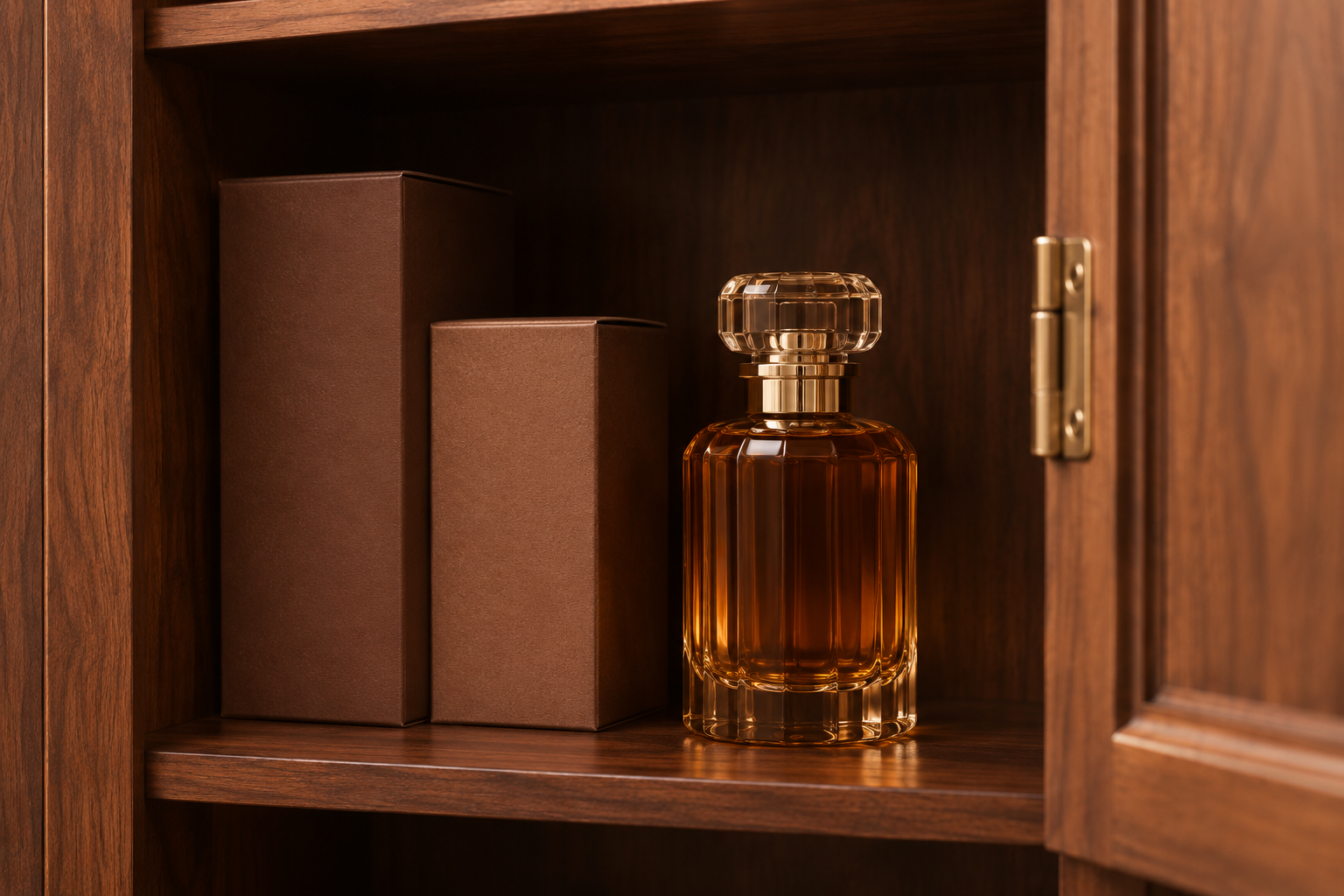
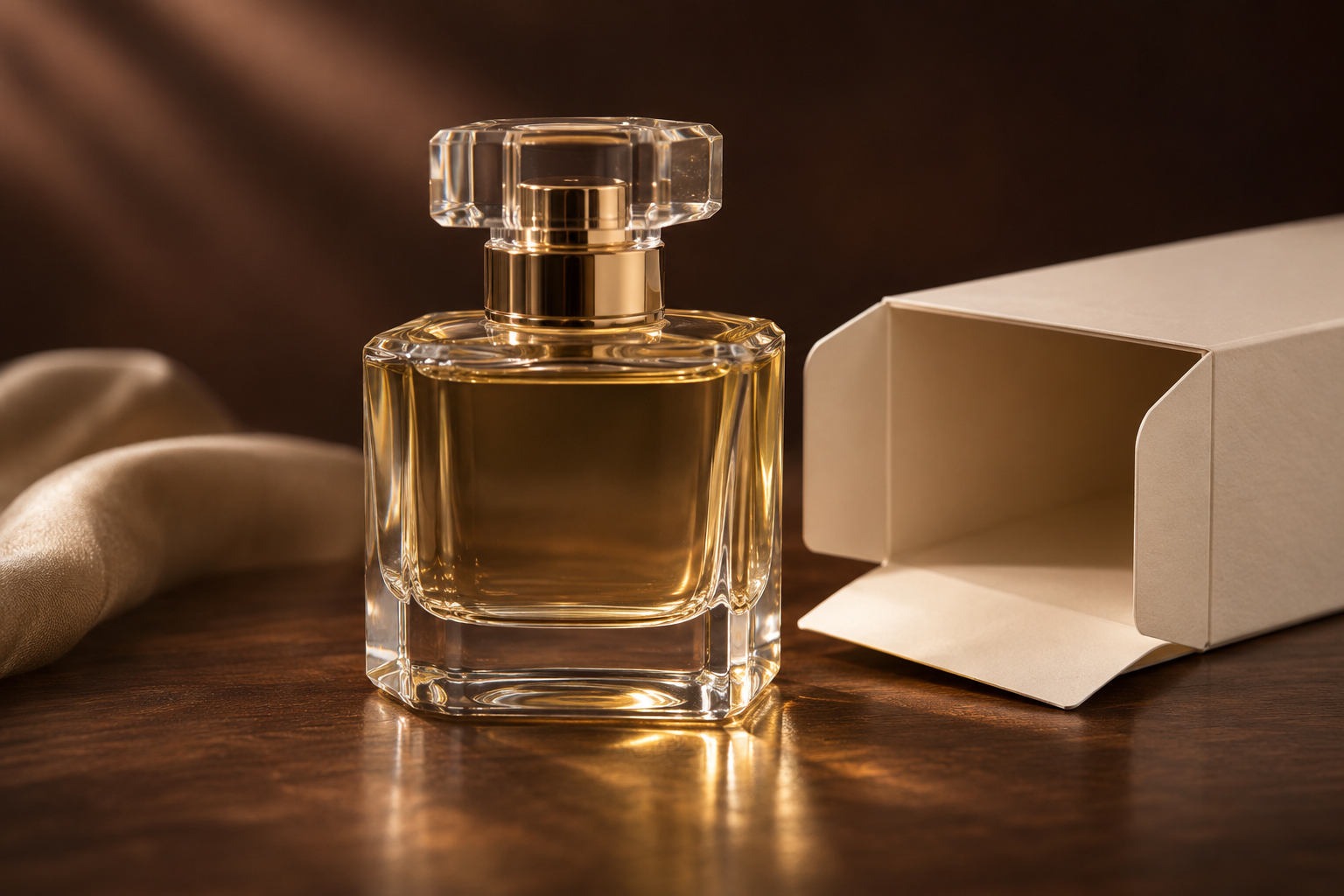
Choose a cool, dry place away from direct light and temperature changes, following any specific instructions on your bottle. A shaded drawer or an interior cupboard can be a practical option. A sunny display shelf may look attractive, but it exposes the bottle to conditions you are trying to avoid.
Keep the closure properly secured and retain the original box when it is useful for protecting the bottle from light. Avoid placing perfume beside a radiator, on a windowsill or in a parked car. In Egypt, think carefully about where afternoon sunlight falls before deciding on a permanent storage spot.
The bathroom is convenient, but showers can create changes in temperature and humidity. A bedroom cupboard away from heat sources is often an easier place to maintain a consistent routine. Refrigeration is not a universal requirement; use the storage guidance for your particular fragrance rather than treating the fridge as an automatic solution.
Care for the bottle when travelling
Pack a fragrance so that the bottle stays upright where practical and is protected from knocks and accidental spraying. Keep its directions with it, or save a clear photograph of the label before travelling. Avoid leaving it in a hot vehicle while you unpack everything else.
If you regularly carry perfume, consider an available smaller bottle rather than repeatedly transferring liquid into an unlabelled container. Keep track of the product name and opening date. A compact format can make your routine easier, but it does not remove the need for appropriate storage.
Choose a size you will enjoy using
A large bottle is useful when you already know a fragrance and wear it frequently. A smaller option may be more practical when you are exploring a new scent or rotating between several perfumes. Think about your actual routine before choosing by bottle size alone.
Use our perfume notes guide to compare scent descriptions before deciding which fragrance deserves a place in your collection.
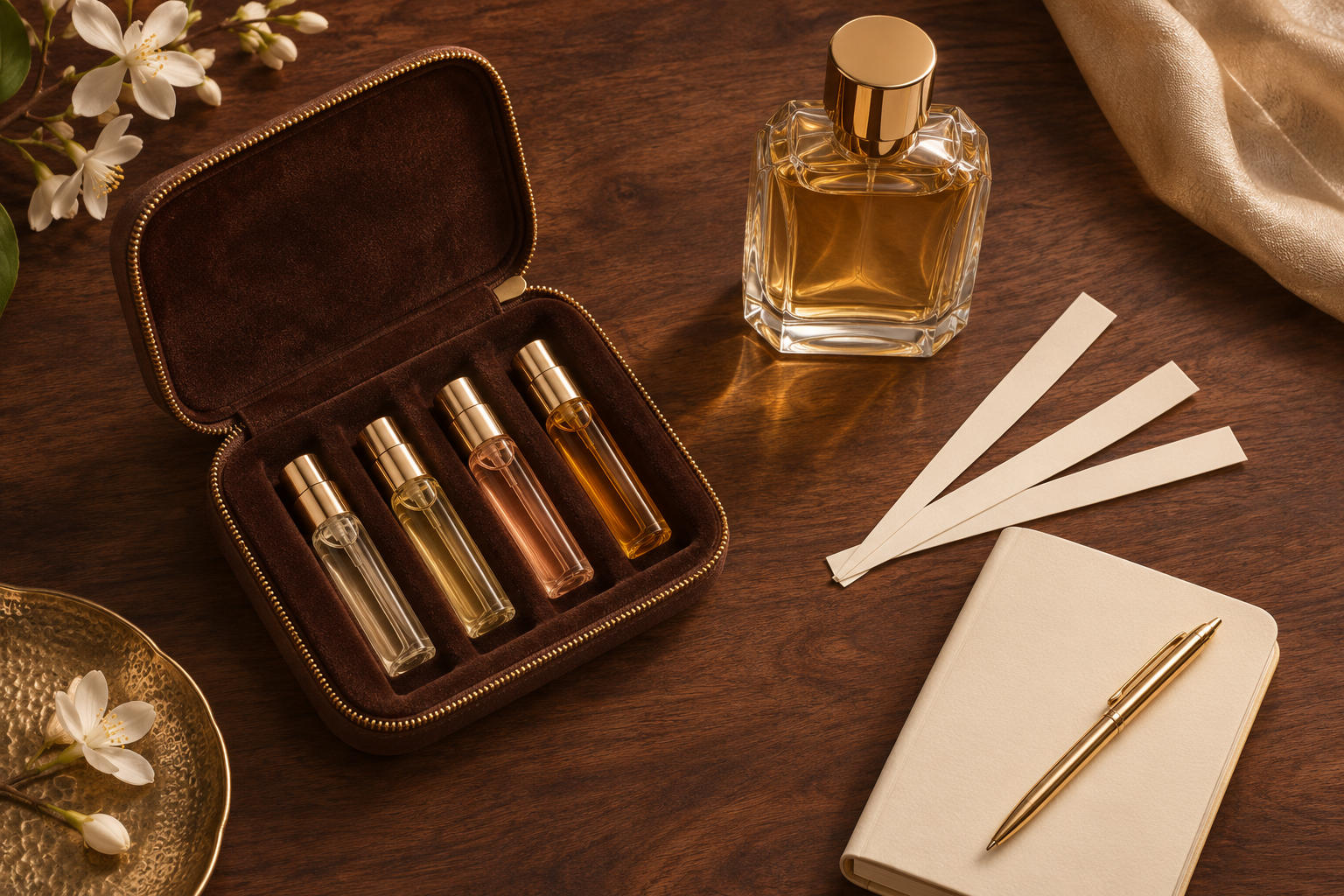
If you are still discovering your preferences, Perfume Candy Box offers 20 samples of 3 ml each. Check the box options on its product page; do not assume that every fragrance mentioned below is included. Trying samples can help you make a more considered full-size purchase.
Find a fragrance direction at Rfaheya
These options illustrate different scent styles, rather than a ranking for shelf life. If you are comparing familiar fragrance directions, read our guide to inspired perfumes and designer alternatives.
Pure Mist for a fresh everyday style
Pure Mist brings together citrus, green notes and soft florals over a musky, woody base. Explore it if you enjoy a fresh unisex direction for everyday wear. Open the product page to choose your size and order online.
ROSE VANILLE for rose and creamy sweetness
ROSE VANILLE combines Italian lemon, Turkish rose, vanilla, white musk and cedar. It is an option to consider if you enjoy floral sweetness with a warm base. Review the available sizes and choose the one that suits your routine.
NOIR CIGAR for tobacco and vanilla
NOIR CIGAR pairs tobacco and warm spice with a vanilla character. Explore its description if that style appeals to you, then select your preferred size on the product page.
For more seasonal choices, explore our winter perfume guide.
ROYAL SPIRIT for a woody oud direction
ROYAL SPIRIT combines aromatic freshness and warm spice with oud, sandalwood and amber in its base. Explore this option if you enjoy warm woods, then choose your size and order directly.
Frequently asked questions
Does perfume expire if it is unopened
An unopened bottle still needs suitable storage. Being sealed does not cancel exposure to heat or light, and it does not override a date supplied by the manufacturer.
Does a darker colour mean perfume has expired
Not necessarily. Slight colour changes can occur in some perfumes. Ask the brand about an unexpected change rather than relying on colour alone.
Can I use perfume after its printed expiry date
Follow the product’s expiry and usage instructions. A familiar smell is not a reason to ignore an explicit date or period-after-opening limit.
Does perfume last longer in a larger bottle
Bottle size alone does not establish shelf life. Choose a size according to how often you expect to use the fragrance, then store it as directed.
Can an online batch checker confirm its condition
A code may help identify production information, but it cannot reconstruct storage history or assess the liquid. Contact the brand for an authoritative interpretation.
What should I do if a bottle smells wrong
Stop using it and ask the brand or seller for advice. Do not use a home skin test to certify the condition of a bottle you suspect has deteriorated.
Make your next perfume purchase a considered one
When you ask “does perfume expire?”, begin with the bottle’s own instructions and what you know about its storage. Keep a simple opening record, choose a suitable place for your collection and buy a size you expect to use. Explore the Rfaheya perfume collection or start with samples to find a scent you look forward to wearing.